Where to Discover Caribbean Food in Denver’s Restaurant Scene
Denver is not the first American city people associate with Caribbean cooking. New York, Miami, and parts of South Florida usually dominate that conversation, and for obvious reasons. Their Caribbean communities are larger, older, and more visible. Denver’s scene is smaller and more scattered, but that is exactly why it rewards a little curiosity. If you are looking for caribbean food denver diners actually return to, not just a one-off island-themed meal, you have to know where the cuisine tends to show up, what form it takes, and how to read a menu beyond the broad label of “Caribbean.”
The first thing worth saying is that Caribbean food is not one single style. In Denver, you are more likely to encounter Jamaican dishes first, especially jerk chicken, curry goat, rice and peas, plantains, and patties. Depending on the restaurant, you may also find Cuban sandwiches and roast pork, Puerto Rican staples like pernil and mofongo, Trinidadian doubles, or Dominican touches woven into broader Latin or island menus. Some places commit to one island’s traditions. Others blend influences from across the region because that is what makes sense for the owners, the market, and the ingredients they can source consistently in Colorado.
That variety can be confusing if you arrive expecting a single, unified “Caribbean” experience. It can also be one of the best parts of eating through Denver’s restaurant landscape. The city’s Caribbean offerings often feel personal. Menus read less like corporate concepts and more like family memory adapted to a mile-high dining market.
Why Denver’s Caribbean scene feels different
Denver’s dining culture tends to reward versatility. Restaurant owners here often build menus that can attract regular lunch crowds, takeout customers, neighborhood diners, and delivery orders all at once. Caribbean food, with its braises, grilled meats, rice plates, fried snacks, and layered spice profiles, fits that format surprisingly well. The challenge is visibility. A great jerk plate can be hiding in a modest storefront, a food truck lineup, or a neighborhood strip center that many diners would pass without a second look.
That means the best search strategy is not to chase aesthetics. In Denver, some of the strongest Caribbean cooking appears in places that put their energy into the steam table, the marinade, and the timing of the fry rather than a polished dining room. You might get a better meal in a casual counter-service spot with a handwritten special than in a restaurant that leans too heavily on tropical décor.
Altitude and climate matter too. Denver’s dry air changes how kitchens handle marinades, grilled meats, and fried foods. Owners who really know their craft adjust. Jerk chicken, for example, needs enough time in the seasoning to carry flavor all the way through, not just on the surface. Oxtail needs patience. Rice has to hold moisture. These details separate restaurants that merely borrow island branding from those that understand Caribbean cooking as a discipline.
The neighborhoods and formats worth watching
If you want to discover Caribbean food in Denver with some efficiency, it helps to think in terms of patterns rather than a single restaurant row. Unlike cities with concentrated Caribbean enclaves, Denver’s options are dispersed. Some of the best finds are in eastward corridors, mixed-use districts, and neighboring areas where immigrant-owned food businesses often gain a foothold through more manageable rent and loyal repeat traffic.
Aurora deserves attention whenever the conversation turns to globally diverse food near Denver. Many diners treat Aurora as a separate destination, but functionally it is part of how locals eat across the metro. If you are serious about expanding your Caribbean rotation, it makes sense to include Aurora in your search. It has the kind of culinary cross-pollination that gives smaller cuisines room to thrive.
East Colfax and surrounding stretches also reward patience. Not every Caribbean-leaning operation will advertise itself caribbean food denver loudly, and some places evolve over time, shifting from pop-up to truck to storefront or from a broad international menu to a more focused island identity. That fluidity is common in Denver and worth respecting. A restaurant you noticed last year as a lunch counter might now be serving one of the city’s better curry plates.
Food halls and brewery pop-ups are another piece of the puzzle. In bigger coastal cities, traditional stand-alone restaurants often anchor Caribbean food scenes. In Denver, chefs may first build an audience through markets, festivals, catering, or recurring pop-up nights. That route makes business sense. It lowers overhead and lets cooks test what locals actually order. The downside for diners is inconsistency in scheduling. The upside is that some of the most vivid Caribbean cooking in town appears in these flexible formats because the chef is cooking for people who came specifically for that food.
What to look for on the menu
A strong Caribbean menu usually reveals itself through specificity. Generic terms like “island chicken bowl” do not tell you much. Dishes with recognizable roots do. When I scan a menu, I am looking for signs that the kitchen knows where its food comes from and is not flattening everything into sweet glaze and grill marks.
Here are five dishes that often tell you whether a place is worth a closer look:
- Jerk chicken, especially if the heat is layered and not just smoky sweet.
- Curry goat or curry chicken with clear depth from spices rather than a one-note yellow sauce.
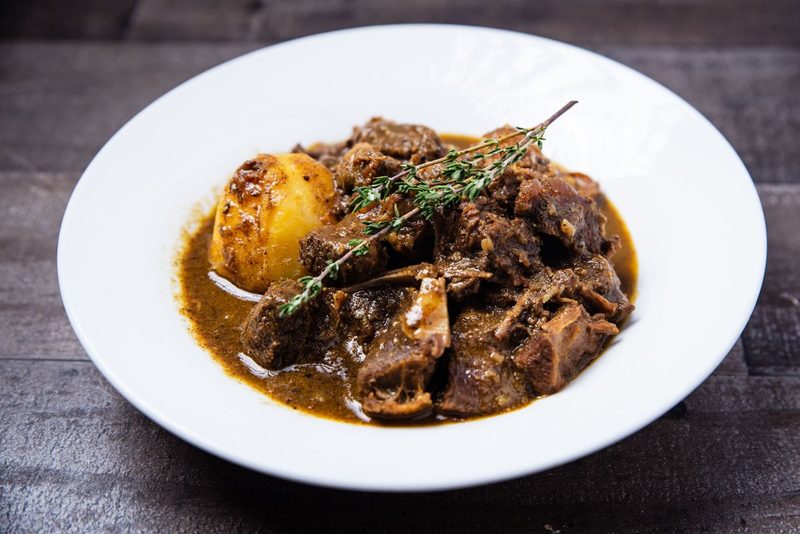
- Oxtail that tastes long-braised, rich, and properly reduced.
- Rice and peas, which should feel seasoned and integral, not like an afterthought beside the protein.
- Patties, doubles, or plantains prepared with care, because side items often expose a kitchen’s standards.
When these dishes are done well, they tell a coherent story. Jerk should have sharpness from allspice, thyme, chile, and aromatics, not just barbecue sauce energy. Curry should bloom with spice and savory fat. Plantains should be at the right stage of sweetness for the intended result, whether soft and caramelized or firmer and less sugary. Even a simple cabbage side can say a lot about the kitchen. If it is cooked to the point of collapse with no brightness left, chances are the rest of the plate may feel tired too.
Jamaican food tends to lead the way
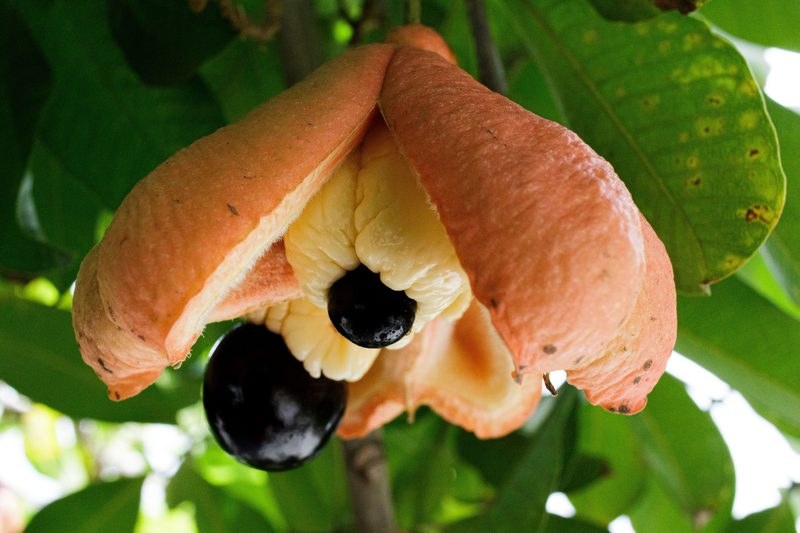
In most Denver conversations about Caribbean food, Jamaican cuisine comes up first, and not by accident. It travels well, suits both dine-in and takeout, and offers the kind of deeply seasoned comfort food that cuts through a cold Front Range evening. Jerk chicken is the headline item, but the best Jamaican spots usually prove themselves on the dishes that take more labor. Oxtail, brown stew chicken, escovitch fish, curry goat, and ackee dishes, when available, reveal commitment.
There is also a practical reason Jamaican food has traction here. Denver diners understand the format of a plate lunch or combo meal. Protein, rice, vegetables, and maybe a fried side make immediate sense. That familiarity lowers the barrier for customers who may not know the cuisine well. Once they try a plate that feels substantial and satisfying, they come back.
The trap is assuming every restaurant with “jerk” on the sign delivers the same experience. Some places aim for accessibility and dial down heat. Others stay closer to the peppery, aromatic intensity many regulars want. Neither choice is automatically wrong. The question is whether the balance feels intentional. A mild jerk can still be excellent if the spice mix has complexity. A hot jerk can still disappoint if it is all burn and no backbone.
Caribbean food often overlaps with Latin dining in Denver
One of caribbean food denver the more interesting parts of eating Caribbean food in Denver is noticing how island cuisines intersect with the city’s broader Latin American and Afro-diasporic dining landscape. Cuban, Puerto Rican, Dominican, and broader tropical influences sometimes appear inside menus that are not labeled strictly Caribbean. A sandwich shop may offer a strong Cuban alongside other Latin staples. A neighborhood restaurant may run a weekend special with pernil, maduros, and arroz. A chef from one island might borrow comfortably from another because that is how they cook at home.
This makes the local scene harder to map, but more rewarding to eat through. If you only search for restaurants whose primary branding says “Caribbean,” you can miss excellent food. In Denver, some of the best island-adjacent meals live inside hybrid menus. The trick is learning to read clues. Look for roasts, stews, fried doughs, pickled garnishes, slow-cooked beans, and seasonings that signal a real Caribbean or Afro-Latin foundation.
This is especially true with lunch counters and family-run spots. Owners often design menus to survive the realities of local demand. They may spotlight the dishes that sell every day while keeping more traditional items for weekends, holidays, or off-menu regulars. Ask questions politely and you may discover far more than what appears on the printed board.
The value of pop-ups, festivals, and weekend specials
If your goal is to experience the broadest possible version of caribbean food denver offers, do not limit yourself to standard restaurant hours. Pop-ups and special events matter here. They are often where cooks test regional dishes that would be difficult to keep on a permanent menu.
Festival food gets dismissed sometimes, and not always unfairly. Busy events can flatten quality. Rice sits too long. Fried food loses texture. Sauces get simplified for speed. But festivals and community markets can still be excellent places to identify a chef or business worth following. One standout plate of jerk pork or a balanced sorrel drink can lead you to a caterer or pop-up that later opens regular service.
Weekend specials are often even better. Restaurants that know they have a loyal audience will save labor-intensive dishes for days when they can predict demand. That may be the day you finally catch soup, stew peas, fresh fish preparations, or a pastry that would not make sense on a slower weekday. Denver diners who find the best Caribbean food usually do so by staying alert to these limited windows rather than expecting a full, static menu every day.
How to tell whether a place is serious
You can learn a lot before the first bite. Smell matters. Walk into a restaurant and notice whether you pick up thyme, pimento, curry, frying dough, grilled meat, or long-simmered stock. Listen for what staff recommend without hesitation. Watch what regulars order. A place with a loyal base often moves its core dishes confidently.
I also pay attention to how sides are treated. Too many restaurants, not just Caribbean ones, nail the protein and neglect everything around it. In strong Caribbean cooking, the sides support the dish’s rhythm. Rice and peas should not be bland filler. Slaw or cabbage should reset the palate. Plantains should contribute sweetness and texture, not just occupy space. Pepper sauce or house-made condiments can add a sharp final note if they are handled with care.
Portion size is another clue, though not in the way people think. Large portions do not automatically mean value. A mountain of dry jerk chicken is not better than a smaller serving that stays juicy and well seasoned. Denver has plenty of diners who prize volume, so some restaurants respond accordingly. The smart move is to judge substance over weight. A balanced plate with tender meat, seasoned rice, and thoughtful sides is worth more than a takeout box that looks huge but eats flat.
What newcomers should order first
For someone new to the category, the ideal first order is not necessarily the most adventurous. It is the dish that gives the kitchen the best chance to show its identity. That usually means choosing a signature plate rather than building a customized bowl. Caribbean cooking depends on relationships between components. The rice complements the sauce. The slaw offsets the richness. The pepper sauce sharpens the finish. You understand more when you eat the plate as intended.
A good first visit strategy is simple:
- Order the dish the restaurant is known for, even if it seems obvious.
- Add one side or pastry that shows another technique, such as plantains or a patty.
- If spice level is adjustable, ask how the kitchen recommends it rather than guessing.
- Go at a busy but not chaotic time, so the food is fresh and the staff can answer questions.
- Return for a second dish before deciding whether the place belongs in your regular rotation.
That last point matters. Caribbean restaurants often have one or two items that outperform the rest of the menu because of ingredient flow, staff strengths, or customer demand. I have eaten memorable curry at places where the jerk was merely decent, and superb patties at spots where the larger plates felt uneven. One visit tells you something. Two visits tell you whether the restaurant has real depth.
Takeout works, but some dishes need the dining room
Denver is a takeout city. Weather changes fast, commutes stretch across neighborhoods, and many diners are happy to eat at home. Caribbean food usually travels well, especially braises, rice plates, patties, and stewed dishes. In fact, some meals taste even better after a short rest because the flavors settle together.
Still, not every dish is equally suited to the car ride. Fried items lose crispness. Grilled chicken can steam in its container. Fish can suffer if packed too early. If you are trying a restaurant for the first time, eat in when possible, especially if the menu includes fried plantains, escovitch-style preparations, or anything pulled straight from the grill. Once you know what holds up, takeout becomes a safer bet.
This is one area where expectations matter. A jerk combo eaten fifteen minutes after packing may taste different from the same plate served immediately. That does not mean the restaurant failed. It means the food has a best-use case. Denver diners who understand that generally get better experiences and make smarter repeat orders.
Price, portions, and what counts as value
Because Caribbean cooking often involves slow braises, marinated meats, and labor-heavy sides, prices can run higher than casual diners expect. That is especially true in Denver, where labor and rent costs are not trivial. Oxtail in particular is expensive nearly everywhere now. If you see it priced above chicken dishes by a noticeable margin, that is normal. The real question is whether the portion, tenderness, and sauce justify the premium.
Value also depends on whether the restaurant is cooking from scratch or leaning on shortcuts. Freshly seasoned meats, properly cooked legumes, house-made sauces, and fried items prepared to order cost more effort and should. Cheap plates can be satisfying, but the best value usually comes from restaurants that know exactly where to spend labor and where to keep the menu tight.
One of the smartest ways to evaluate a Caribbean restaurant in Denver is to compare its simpler dishes. If the rice tastes cared for, the cabbage has life, and the patty crust flakes instead of crumbling dry, the kitchen probably respects its fundamentals. That is usually a stronger indicator than a flashy special.
Why the scene is worth seeking out
Part of the appeal of Caribbean food in Denver is that it still feels discovered rather than overexposed. You are not walking into a trend cycle at its peak. You are entering a part of the city’s dining life that often survives through reputation, repeat business, and community support. That tends to create better conversations at the counter, more honest cooking, and more dishes that exist because someone truly wanted to feed people that way.
There is also a deeper pleasure in watching how Caribbean cuisine adapts to Denver without losing itself. A strong local restaurant may source differently than a counterpart in Brooklyn or Fort Lauderdale. It may trim its menu, soften one dish, or emphasize another. But when the seasoning is confident and the cooking is grounded, the soul of the food remains intact.
For diners, that means discovery requires a bit of patience. You may need to follow a pop-up page, drive a little farther than usual, or ask what is available off-menu on a Saturday afternoon. The reward is food with character, food that resists bland uniformity, food that leaves a memory stronger than the room it was served in.
If you are searching for caribbean food denver residents talk about with genuine affection, start with the places that seem built around the kitchen rather than the concept. Look east, look beyond downtown, and look closely at menus that name their dishes with confidence. Order the house specialty. Notice the sides. Go back if the first bite suggests there is more to learn. In a restaurant scene as spread out and eclectic as Denver’s, that is often how the best meals are found.
Reggae Pot Jamaican Grill
2243 S Monaco St Pkwy, Suite 104
Denver, CO 80222
(720) 410-2956
FAQ About caribbean food denver
What is a typical Caribbean meal?
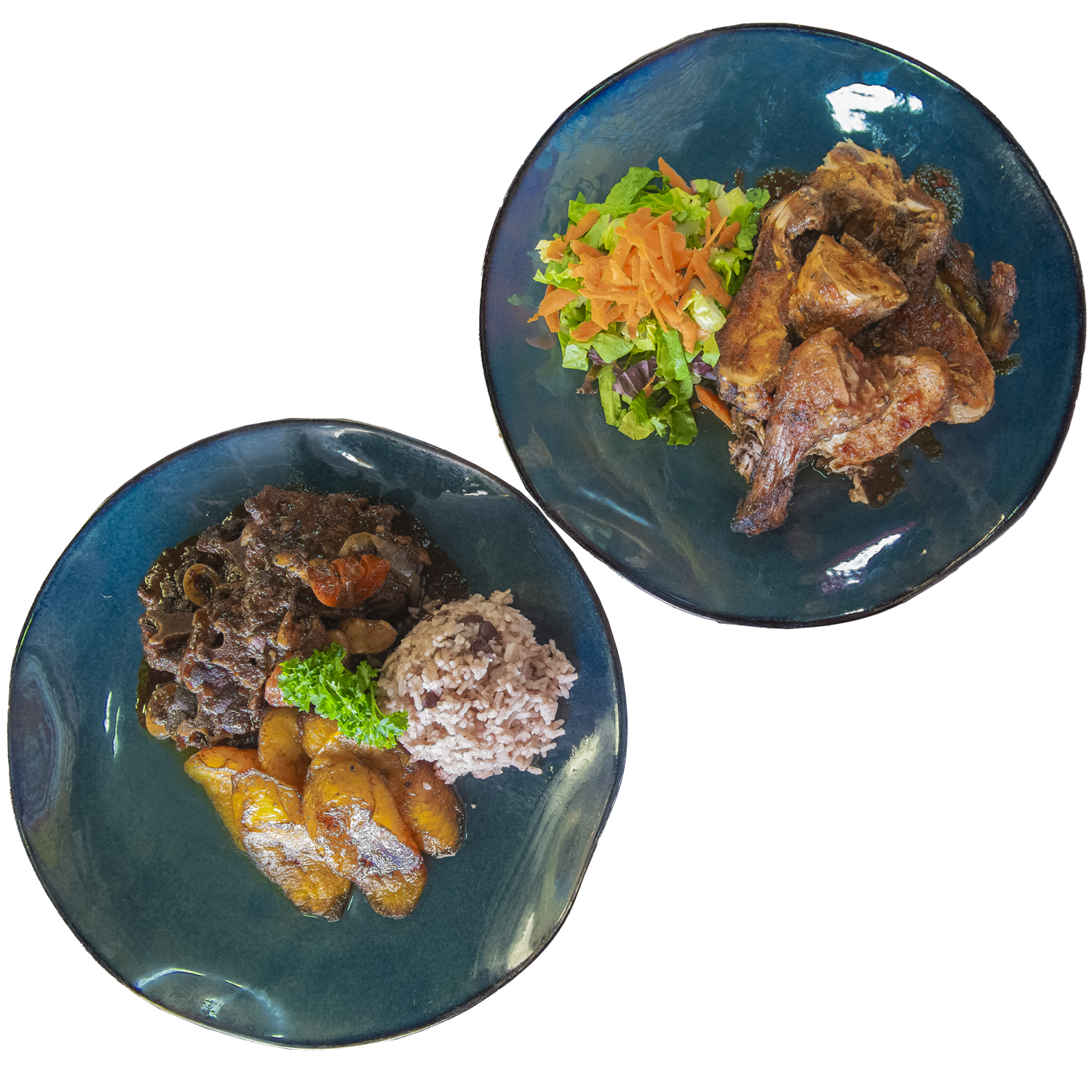
Caribbean cuisines vary by island. A Jamaican meal might pair jerk chicken or oxtail with sides such as rice and peas, cabbage, or fried plantains.
What is Jamaica’s national dish?
Ackee and saltfish is widely recognized as Jamaica’s national dish. Check the current menu for availability.
Is Caribbean jerk the same as Jamaican jerk?
Jerk is a Jamaican cooking tradition associated with seasoning and slow cooking or grilling. The exact heat level and preparation vary by cook.