Caribbean Food Denver: Fresh, Spicy, and Full of Flavor
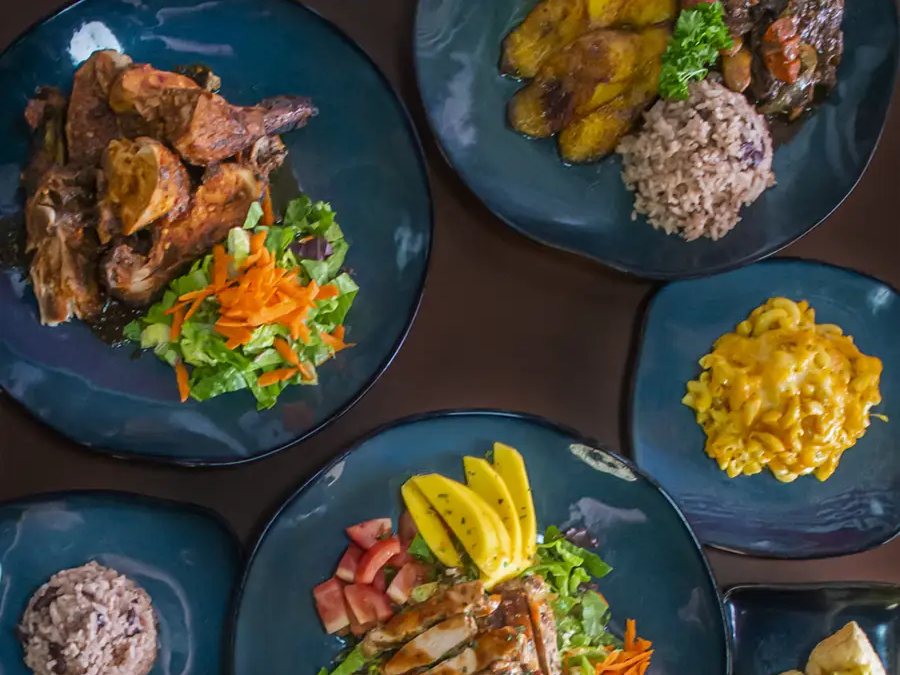
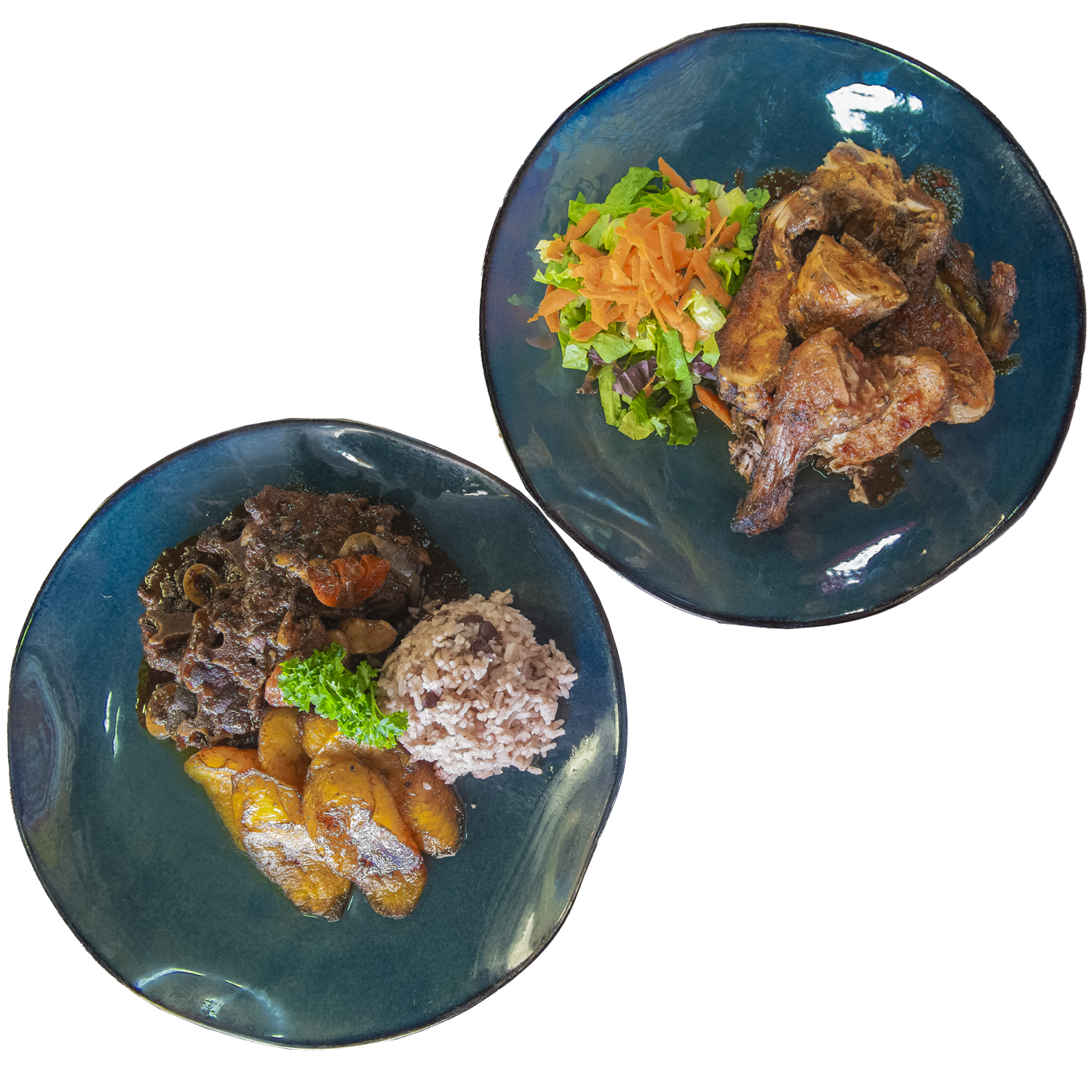
Denver has become a city where diners expect range. Not just a solid steakhouse, not just green chile, not just polished tasting menus downtown. People want food with personality, history, and real heat. That is where Caribbean cooking earns its place. It brings bright marinades, slow-cooked meats, crisp fried snacks, tropical starches, fresh herbs, and the kind of spice that lingers in a satisfying way rather than simply burning for effect.
When people search for caribbean food denver, they are usually looking for more than a meal. They want jerk chicken with a proper caribbean food denver char, rice and peas that taste like coconut and thyme instead of plain white rice with seasoning thrown on top, plantains with the right balance of caramelization and softness, and stews that feel patient. Caribbean food rewards time, instinct, and strong seasoning. You can tell quickly when a kitchen understands that.
Denver may be far from the islands, but distance does not prevent serious flavor. What matters is whether the food honors the traditions behind it while adapting smartly to local conditions, ingredient availability, and a dining public that ranges from homesick island natives to curious first-timers. At its best, Caribbean food in Denver does exactly that.
What Caribbean food really means on the plate
One reason the category can confuse diners is that “Caribbean food” is not a single cuisine. It is a wide culinary landscape shaped by African, Indigenous, Indian, Chinese, Spanish, French, Dutch, and British influences, depending on the island. Jamaican food does not eat like Trinidadian food. Puerto Rican cooking differs from Haitian cooking. Cuban preparations bring a different balance than Dominican or Bahamian traditions.
Still, certain patterns show up again and again. You see allspice, thyme, scallions, Scotch bonnet peppers, coconut, citrus, ginger, garlic, and deep braising techniques. You see plantains in different stages of ripeness, cassava, yams, pigeon peas, black beans, saltfish, curries, patties, fritters, and meats cooked until they surrender. Smoke matters. Texture matters. So does contrast. A plate often balances heat with sweetness, richness with acidity, and crispy edges with soft starches.
That complexity is part of the appeal. Caribbean cooking can be comforting, but it is rarely bland. Even simple dishes tend to have layers. A good jerk marinade, for example, should not taste only spicy. It should carry warm spice, aromatic herb notes, savory depth, a little sweetness, and often a subtle bitterness from char. The same goes for curry goat. If it tastes only salty and hot, something was missed. A strong version has earthiness, developed onion flavor, tenderness, and enough sauce to soak into rice without drowning it.
For Denver diners, that mix of boldness and balance is exactly what makes the cuisine memorable.
Why Denver is a good city for Caribbean flavor
Altitude changes cooking. Dry air changes cooking. Ingredient sourcing changes cooking. Those challenges are real, but Denver also brings advantages. The city has an adventurous restaurant audience, a growing appreciation for regional and diasporic cuisines, and a dining culture that welcomes casual counters, food trucks, neighborhood spots, and chef-driven concepts alike.
Caribbean food also fits the way many people want to eat here. It can be hearty enough for cold weather, bright enough for summer patios, and portable enough for lunch service. A plate of jerk chicken, cabbage, plantains, and rice and peas works whether you are grabbing a quick weekday meal or sitting down with friends for a long dinner. Patties travel well. Oxtail feels luxurious without needing formal presentation. Sorrel and ginger drinks cut through rich food beautifully, especially at high altitude where heavier meals can sometimes feel even heavier.
There is another reason the cuisine resonates in Denver. The city responds to food that feels personal. Caribbean cooking often arrives with family memory attached to it. Recipes are guarded, adjusted by feel, and measured in handfuls and instinct as much as teaspoons. Diners can sense that when they eat a dish made by someone who grew up with it. The food carries conviction.
The dishes that define a great Caribbean meal
If you are new to the category, a smart first order tells you a lot about the kitchen. Start with something iconic, then add one or two supporting dishes that reveal how seriously the restaurant handles seasoning, texture, and starches.
A strong jerk chicken plate is one of the clearest benchmarks. The meat should taste marinated all the way through, not only dusted at the end. The exterior should show color and some char. The heat level can vary, but the flavor should be assertive. If the chicken is juicy, the spice blend developed, and the sides treated with equal care, you are probably in good hands.
Curry goat is another tell. Goat can go wrong fast when rushed. It gets tough, livery, or muddy if handled poorly. A proper version is tender and deeply seasoned, with a sauce that tastes simmered rather than thickened in a panic. If the restaurant gets goat right, there is usually patience in the rest of the menu too.
Oxtail sits in a similar category. It is expensive, labor-intensive, and impossible to fake. Good oxtail should be sticky, rich, and nearly falling from the bone, with enough spice and aromatics to keep the dish from becoming heavy. You want body in the sauce, but also lift.
Then there are the supporting players that separate decent Caribbean food from memorable Caribbean food. Rice and peas should not be an afterthought. Plantains should be sweet, soft inside, and not greasy. Steamed cabbage often looks humble but can be excellent when lightly seasoned and cooked just enough to retain texture. Patties should have a flaky shell and a filling that tastes alive, not merely hot.
Here are a few dishes worth seeking out when exploring Caribbean food in Denver:
- Jerk chicken, for smoke, spice, and the kitchen’s hand with marinade
- Curry goat, for tenderness and depth
- Oxtail, for patience and richness
- Beef or chicken patties, for pastry texture and portable flavor
- Rice and peas with plantains, because sides reveal discipline
Those dishes cover a lot of culinary ground, and each exposes different strengths or weaknesses in a restaurant.
How to judge quality beyond the spice level
A lot of people approach Caribbean food by asking one question first: “How spicy is it?” That makes sense, but it is not the best measure of quality. Heat matters, yet it is only one part of the picture. Some excellent Caribbean food is fiery. Some is gentle but aromatic. The better question is whether the flavors are integrated.
You can usually tell within a few bites. Does the chicken taste seasoned beneath the surface? Do the beans and rice have their own identity? Is the cabbage limp and forgettable, or does it carry a little sweetness and savory depth? Are the plantains fresh from the fryer, or have they been sitting? Does the curry sauce cling naturally, or does it feel flour-thickened? Does the patty shell shatter lightly, or is it dense?
The sauces also matter. A house hot sauce, jerk sauce, or pepper sauce can tell you plenty about the kitchen. Good sauces have structure. You taste pepper, yes, but also vinegar, fruit, herbs, garlic, or mustard notes depending on style. One-dimensional heat gets old fast. Caribbean cooking should keep your attention.
I have found that the best kitchens do caribbean food denver not hide weaker cooking under extra spice. They use spice to sharpen what is already there. That distinction matters, especially for diners who may assume every dish will be punishingly hot. Many are not. Some of the most satisfying plates lead with savory depth and let heat build slowly.
What first-time diners should order
People trying Caribbean food for the first time often overthink the order. There is no need. The cuisine is generous by nature, and most menus have a few clear entry points. If you want a broad sample, share a couple of mains and a snack or side. That approach lets you compare textures and seasoning styles without committing entirely to one profile.
For a first visit, I usually recommend one grilled or roasted dish, one braised dish, and at least one classic side. Jerk chicken paired with curry goat works well because it shows two different strengths, smoke and marinade on one hand, slow-cooked richness on the other. Add plantains and rice and peas, and you get a more complete sense of the kitchen’s range.
If patties are available, they are worth ordering early. They arrive quickly, travel well, and offer a snapshot of the restaurant’s touch. A good patty is rarely accidental. It suggests attention to prep and seasoning.
For diners who are cautious about bone-in meats or unfamiliar cuts, there is usually an easier path in chicken dishes, stewed beans, fried fish, or curry options. For people who want the deepest traditional flavors, oxtail, goat, or saltfish dishes often provide the reward.
The role of freshness in Caribbean cooking
The title phrase, “fresh, spicy, and full of flavor,” fits for a reason. People often focus on the spice but overlook the freshness. Caribbean food depends on fresh elements more than outsiders sometimes realize. Citrus brightens marinades. Thyme, scallions, and cilantro or culantro carry aroma. Fresh cabbage and peppers add crunch and contrast. Even rich braises benefit from sharp, lively accents.
Freshness also shows in frying. Plantains should taste sweet and clean, not tired. Festivals, fritters, and fried fish need oil management and timing. At altitude, where frying and moisture loss can become trickier, these details matter even more. A cook who knows how to maintain texture in Denver’s dry climate earns respect.
Drinks count too. Ginger beer, sorrel, coconut-based beverages, and fresh juices often round out a Caribbean meal in ways that soda cannot. They cool heat, refresh the palate, and tie the experience together. If a restaurant takes care with its drinks, that often reflects broader care in the kitchen.
Denver neighborhoods and the search for authenticity
Authenticity is a loaded word in restaurant writing, and it deserves care. Caribbean food, like all living cuisines, changes as people migrate, adapt recipes, and cook for different communities. A dish can be authentic to a family tradition without matching someone else’s memory exactly. A restaurant can use local ingredients and still produce food with integrity.
So what should diners look for in Denver? Less marketing, more evidence on the plate. Menus that stay focused. Side dishes treated seriously. Heat levels that feel intentional rather than toned down into blandness. Staff who can explain dishes plainly and confidently. Regulars from the community the food comes from, which is never a perfect test but often a useful sign.
Some of the strongest Caribbean meals in cities like Denver come from modest spaces rather than heavily designed dining rooms. That is not a rule, only a pattern. A small counter-service spot with three braises, two proteins off the grill, and patties in a warmer can outperform a bigger restaurant with a broad “island fusion” menu. Breadth is not always a strength. Often, focus is.
At the same time, Denver has room for both traditional and contemporary interpretations. A chef who respects the fundamentals can build interesting variations. Jerk seasoning on Colorado poultry, a refined take on callaloo, or a more seasonal approach to sides can work beautifully if the core flavors stay honest. Reinvention succeeds when it starts from knowledge rather than novelty.
Pairing Caribbean food with Colorado appetites
One reason caribbean food denver has growing appeal is that it suits the way people gather here. Portions are often generous. Many dishes reheat well. Shared sides encourage conversation. The food works at lunch, during a casual family dinner, after a long workday, or as the centerpiece of a weekend get-together.
It also matches Colorado’s love of outdoor eating better than some people expect. Jerk chicken off a grill on a warm evening makes perfect sense. So do patties packed for a park day or braised meats set out buffet-style for a backyard gathering. Caribbean flavors stand up well in open air, and they pair naturally with beer, rum cocktails, crisp lagers, tart drinks, and fruit-forward nonalcoholic options.
For cooler months, the cuisine shifts just as easily. Oxtail, curry goat, and rich bean dishes feel especially right when temperatures drop. Denver’s weather can swing hard in either direction, and Caribbean menus have enough range to keep up.
Common mistakes diners make
Sometimes people miss the best of Caribbean food because they expect it to behave like another cuisine. They compare jerk directly to American barbecue, or they expect curry goat to mirror Indian curry in texture and spice structure. There are overlaps in influence, but the flavor logic is different. Better to approach the food on its own terms.
Another mistake is ignoring the sides. In many restaurants, sides reveal how much care the kitchen gives the full plate. A thoughtful cook does not treat rice and peas as filler. The same goes for slaw, cabbage, beans, yucca, and plantains. If the sides are vivid, the mains usually follow.
Price confusion also comes up, especially with dishes like oxtail or goat. These are not cheap ingredients, and they require time. A higher menu price does not automatically signal inflation or trendiness. Sometimes it simply reflects real labor and product cost. What matters is whether the dish tastes worthy of it.
How to get the most out of a Caribbean meal in Denver
A little strategy helps, especially if you are ordering for a group or trying a new place for the first time.
- Mix one grilled dish with one braised dish for contrast.
- Order at least one side everyone can share, especially plantains or rice and peas.
- Ask about heat level, but do not assume the hottest option is the best one.
- If patties are available, add one.
- Save room for a drink or dessert if the house makes them from scratch.
That approach gives you variety without overordering, and it increases your chances of seeing what the kitchen actually does well.
What keeps people coming back
Novelty can bring diners through the door once. Consistency brings them back. Caribbean restaurants build loyal followings when they deliver the same things every time: properly marinated meats, balanced heat, fresh sides, decent portion sizes, and service that feels welcoming rather than scripted.
The emotional pull matters too. For some guests, the meal is a taste of home. For others, it is a discovery that quickly becomes a craving. Certain flavors do that. Jerk smoke clinging to chicken skin, sweet plantains against savory rice, a spoonful of thick oxtail gravy, the bite of ginger in a cold drink, these become specific memories. People do not just remember that the food was good. They remember how it made them feel.
That is why Caribbean food tends to build devoted regulars rather than casual one-time customers. Once a restaurant gets it right, diners start measuring every other version against that benchmark.
The future of Caribbean food in Denver
Denver’s dining scene is mature enough now to support more specialized cuisines without forcing them into broad, diluted categories. That is good news for Caribbean food. There is room for more focused Jamaican cooking, more Trinidadian street-food influence, more Dominican and Puerto Rican representation, and more chef-led projects that highlight the range of the region instead of reducing it to jerk seasoning alone.
There is also an opportunity for education through the menu itself. Restaurants do not need to lecture diners, but clear descriptions help. Plenty of guests are eager to try goat, saltfish, callaloo, doubles, or escovitch fish if they understand what they are ordering. The appetite is there.
As Denver continues to grow, the strongest Caribbean restaurants will likely be the ones that resist flattening the cuisine into a trend. Diners can sense when food is presented as a costume and when it is presented as culture. The latter always wins in the long run.
For anyone exploring caribbean food denver, the best approach is simple: look for focus, respect the sides, order across a few styles, and pay attention to balance rather than just spice. When the food is done well, it lands with remarkable force. Fresh herbs, smoke, chile heat, slow-cooked depth, sweet plantains, rich sauces, bright pickles, tender meats, all of it working together. It is the kind of meal that fills the table and then stays on your mind long after you leave.
Reggae Pot Jamaican Grill
2243 S Monaco St Pkwy, Suite 104
Denver, CO 80222
(720) 410-2956
FAQ About caribbean food denver
What is a typical Caribbean meal?
Caribbean cuisines vary by island. A Jamaican meal might pair jerk chicken or oxtail with sides such as rice and peas, cabbage, or fried plantains.
What is Jamaica’s national dish?
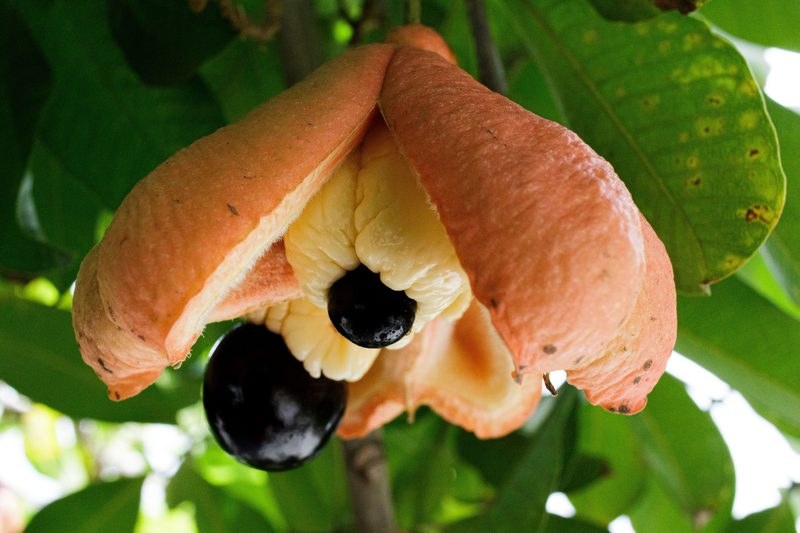
Ackee and saltfish is widely recognized as Jamaica’s national dish. Check the current menu for availability.
Is Caribbean jerk the same as Jamaican jerk?
Jerk is a Jamaican cooking tradition associated with seasoning and slow cooking or grilling. The exact heat level and preparation vary by cook.